Current location:Home > Pharmaceutical
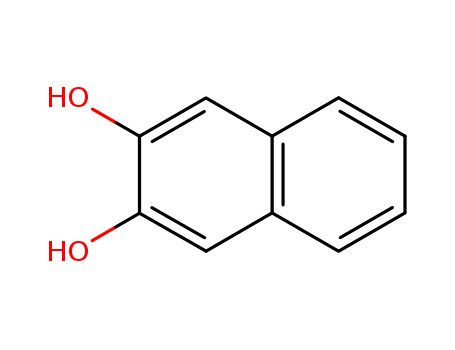
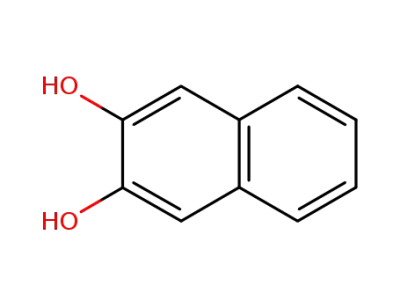
Factory Sells Best Quality 2,3-Dihydroxynaphthalene 92-44-4 with GMP standards
- Molecular Formula:C10H8O2
- Molecular Weight:160.172
- Appearance/Colour:Off white to redish white powder
- Vapor Pressure:1.71E-05mmHg at 25°C
- Melting Point:161-165 °C(lit.)
- Refractive Index:1.725
- Boiling Point:353.9 °C at 760 mmHg
- PKA:9.10±0.40(Predicted)
- Flash Point:181 °C
- PSA:40.46000
- Density:1.33 g/cm3
- LogP:2.25100
2,3-Dihydroxynaphthalene(Cas 92-44-4) Usage
|
Health Hazard |
2,3-Naphthalenediol shows low toxicity andmild irritant actions on the skin and eyes. Theoral LD50 value for rats of a 5% solutionin propylene glycol may be on the orderof 675 mg/kg (calculated by the method ofWeil). The intravenous LD50 value for miceis 56 mg/kg. At 1% concentration, it causedslight eye irritation in female albino rabbitsand exhibited erythemal response in guineapigs. At the 0.1% level (concentration in hairdye), it had no reaction on human skin. Thiscompound was nonmutagenic in Salmonellatyphimurium strain tests.There is very little information in the literatureon the toxicity of 2,3-naphthalenediol.Assessment by the CIR expert panel on thesafety of 2,3-Dihydroxynaphthalene as used in cosmeticshas been inconclusive (Cosmetic, Toiletryand Fragrance Association 1987b). |
|
General Description |
2,3-Dihydroxynaphthalene (also known as 2,3-naphthalenediol) is a dihydroxy-substituted naphthalene derivative that has been studied for its ability to form reactive cocrystals capable of intermolecular acyl-transfer reactions in the solid state. Its molecular structure, featuring two hydroxyl groups in close proximity, facilitates favorable geometry for nucleophilic attack on electrophilic carbonyl groups in ester derivatives, enabling solid-state reactivity. 2,3-Dihydroxynaphthalene has been utilized in cocrystals with diesters, where non-covalent interactions (e.g., C-H···π) and proper alignment of reactive groups support domino-type acyl migrations, demonstrating its potential in designing functional supramolecular assemblies for solid-state reactions. Additionally, its derivatives have been employed as sensitizers in luminescent assays for enzymatic activity detection. |
InChI:InChI=1/C10H8O2/c11-9-5-7-3-1-2-4-8(7)6-10(9)12/h1-6,11-12H
92-44-4 Relevant articles
Identification of molecular crystals capable of undergoing an acyl-transfer reaction based on intermolecular interactions in the crystal lattice
Tamboli, Majid I.,Krishnaswamy, Shobhana,Gonnade, Rajesh G.,Shashidhar, Mysore S.
, p. 12867 - 12874 (2013)
Investigation of the intermolecular acyl...
Terbium(iii)-cholate functionalized vesicles as luminescent indicators for the enzymatic conversion of dihydroxynaphthalene diesters
Balk, Stefan,Maitra, Uday,Koenig, Burkhard
, p. 7852 - 7854 (2014)
The phosphorescence intensity of unilame...
Construction of Two-Component Chemically Reactive Supramolecular Assemblies-Acyl Migration Reactions in Cocrystals of Napthalene-2,3-Diol and Its Diesters
Bahadur, Vir,Gonnade, Rajesh G.,Krishnaswamy, Shobhana,Shashidhar, Mysore S.,Tamboli, Majid I.
, p. 1128 - 1134 (2021)
Reactions in solids are of contemporary ...
Oxygen-Free Regioselective Biocatalytic Demethylation of Methyl-phenyl Ethers via Methyltransfer Employing Veratrol- O-demethylase
Grimm, Christopher,Lazzarotto, Mattia,Pompei, Simona,Schichler, Johanna,Richter, Nina,Farnberger, Judith E.,Fuchs, Michael,Kroutil, Wolfgang
, p. 10375 - 10380 (2020/10/02)
The cleavage of aryl methyl ethers is a ...
Selective Vicinal Diiodination of Polycyclic Aromatic Hydrocarbons
Bolte, Michael,Jin, Tao,John, Alexandra,Kaehler, Tanja,Lerner, Hans-Wolfram,Wagner, Matthias
, p. 5847 - 5851 (2020/09/09)
Vicinally diiodinated polycyclic aromati...
Practical Cleavage of Acetals by Using an Odorless Thiol Immobilized on Silica
de Léséleuc, Mylène,Kukor, Andrew,Abbott, Shaun D.,Zacharie, Boulos
, p. 7389 - 7393 (2019/12/03)
A practical, efficient and general metho...
92-44-4 Process route
-
-
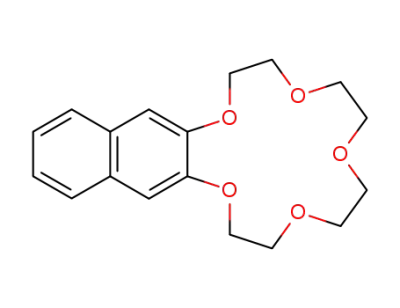
17454-47-6
2,3-naphtho-15-crown-5

-
-
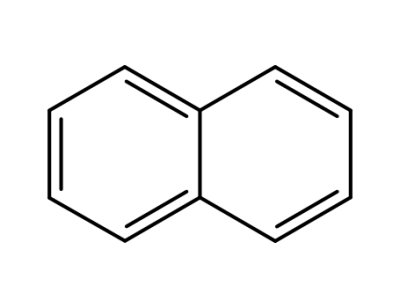
91-20-3,71998-51-1,72931-45-4
naphthalene

-
-
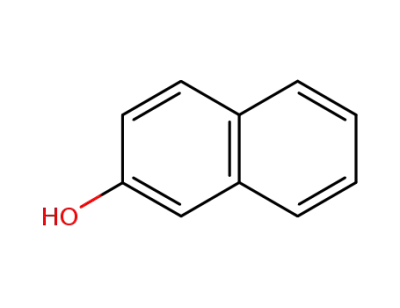
135-19-3
β-naphthol
-
-
92-44-4
2,3-naphthalenediol
| Conditions | Yield |
|---|---|
|
In
tetrahydrofuran;
for 0.25h;
selectivity of reductive cleavage of the aryl-oxygen bonds; also for other arenocrown ethers;
|
-
-
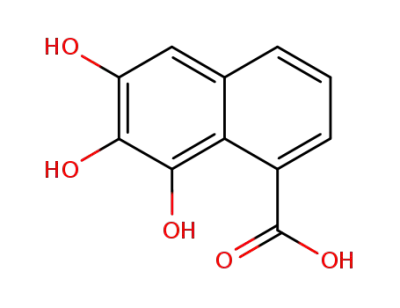
672919-94-7
6,7,8-trihydroxy-[1]naphthoic acid
-
-
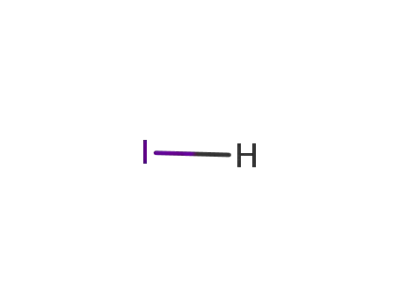
10034-85-2
hydrogen iodide
-
-
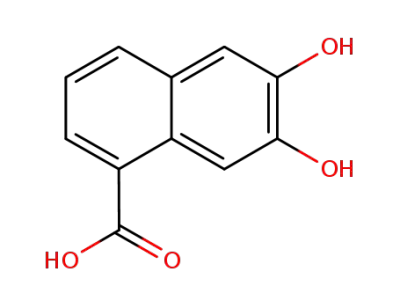
105284-13-7
6,7-dihydroxy-[1]naphthoic acid
-
-
135-19-3
β-naphthol
-
-
92-44-4
2,3-naphthalenediol
| Conditions | Yield |
|---|---|
|
|
92-44-4 Upstream products
-
56-23-5
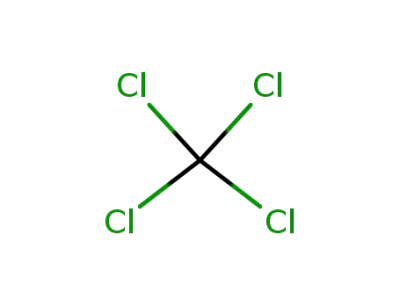
tetrachloromethane
-
148-75-4
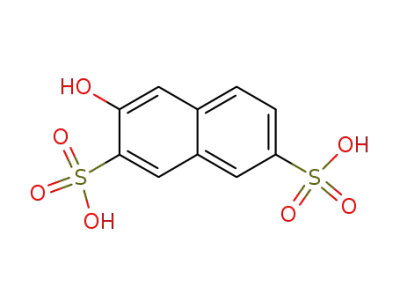
2-naphthol-3,6-disulphonic acid
-
269-43-2
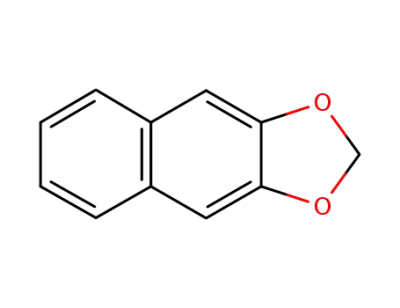
naphtho<2,3-d>-1,3-dioxole
-
58692-14-1
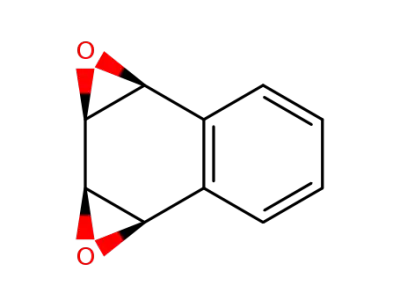
syn-1,2:3,4-naphthalene dioxide
92-44-4 Downstream products
-
858010-95-4
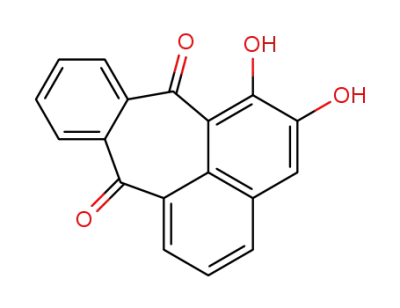
1,2-dihydroxy-pleiadene-7,12-dione
-
22426-46-6
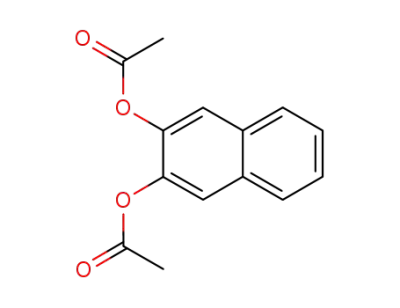
2,3-naphthalenediol-2,3-diacetate
-
98793-02-3
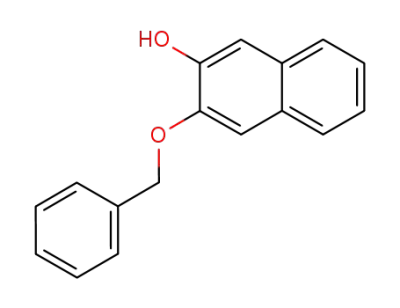
3-benzyloxynaphthalen-2-ol
-
102249-85-4
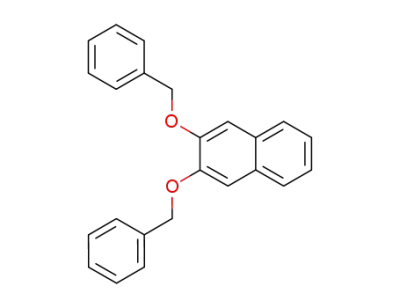
2,3-bis(benzyloxy)naphthalene